

Now that you've learned the basics of NFP, there are some lesser-known facts you ought to know.
In the last article, we discussed what Natural Family Planning (NFP) is, different types of NFP, and how to embrace NFP during chaste dating. (Yes, you can dive in while celibate!)
With that solid foundation underfoot, we’re going to step up to the next level. Let’s discuss some common user frustrations with NFP!
Learning NFP is daunting, but only for a couple of months.
According to the diocese of Green Bay on the site Our Natural Family, “NFP is used effectively by millions of people worldwide, even where the literacy rate is much lower than our own . . . Most women can learn to recognize their signs of fertility within 1 month of learning and become confident within 3 months.”
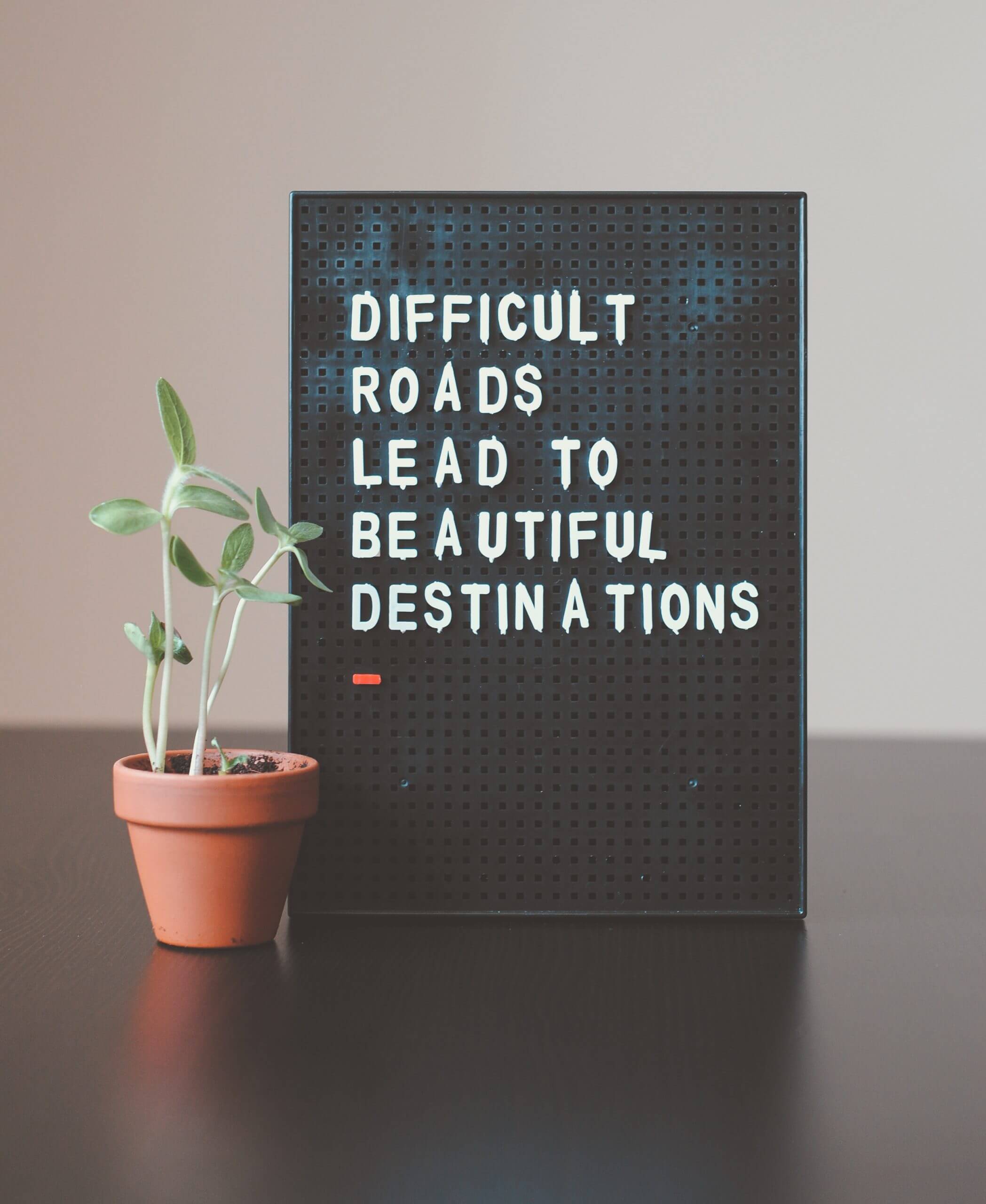
One of my sisters had a pretty bad experience learning NFP. She was convinced she was never going to be able to chart or read her own symptoms. Having gone through the learning curve myself, I kept reassuring her that she just needed to keep at it for a couple of months, and then things would suddenly, almost magically, make sense. Lo and behold, that’s exactly what happened.
Why? Learning NFP too quickly and trying to absorb all the information at once is overwhelming for anyone! Be patient with yourself; the imperative thing is to just record in your chart daily. You don’t have to know exactly what’s going on right from the get-go.
After a month or two, most women will start seeing patterns in their data and probably think, “oh, this makes sense! Why couldn’t I see it before?” They couldn’t see it before simply because they didn’t have the record. Keep chipping away, and give any new method at least a three-month trial. You can always move on to a different method if your first doesn’t work for you.
Yes, NFP will be 90% her job.
I’m saying “she” for a reason here. I distinctly feel that in an effort to promote NFP, many of the teaching institutions have pushed the idea of the husband’s involvement a little too hard. Yes, he should be involved—but he can’t do nearly as much as you might think.
Most NFP methods are heavily based on the woman’s sensations and feelings in her own body; men just don’t have the anatomy to perform and observe the female cycle. Therefore, the woman is the primary practicer of NFP, simply because it’s her anatomy. And ladies, it’s not a huge and unfair burden! Our bodies are doing this whether or not we’re paying attention. Usually, it just takes a learning curve and a few months to get the hang of the practice and charting.
And because you’re married, your practice should 100% be a team effort . . . but not in the ways you might think. Yes, men can help chart on paper or check the thermometer. But often, the big job for husbands is to make sure their wives don’t feel like gatekeepers. Being 100% a team effort means he should be fully on board with the family plan during whatever fertility phase his wife is in at any point, without pushing to change the plan for children based on his desires of the moment.
Periodic abstinence and unpredictable cycles can build up resentment between the two of you unless you actively keep it away. Communicate and be supportive of each other, and don’t go silent or distant during phases of abstinence. You found ways to express romance and affection while you were chastely dating, right? Reuse those skills!
Abstinence is a real thing.
Speaking of abstinence, it is an unavoidable part of Catholic NFP, at least when you’re trying to postpone a pregnancy. I would like to sincerely apologize to anyone who was told that there would only be a week of abstinence at a time. That’s not the case for a majority of couples. I won’t explain the scientific details here, but in general, there are usually ten to fifteen consecutive days of abstinence for couples who are looking to not conceive yet. (For women with irregularities, that number can stretch farther.)
Yes, it can be draining, and yes, it is definitely worth it. The nice thing is, after the abstinent period, there is a stretch of time where “anything goes” and spontaneity is fully on the table. And obviously the rules change if you aren’t looking to postpone a baby! Just know that getting married does not suddenly mean sex is guaranteed all the time—it will depend on your plans and what you are looking to use NFP for each given month.
What about infertility?
NFP is not the magic bullet to cure infertility, but it is the best starting point. The site Our Natural Family states “Those who cannot {read their NFP signs within a few months} may have fertility problems, in which case NFP is especially important to learn as information obtained through charting can be a valuable diagnostic tool for the woman's physician.”

Let’s break that down. NaProTechnology or other NFP-specializing doctors almost always ask you to provide several months of data or “charting” before digging into the treatment of fertility issues. Why? Charts provide a map for what is going on, what might be wrong, and where treatments might need to target. If you learn it and practice it for a few months before going to the doctor, you can get a jump start on looking into fertility treatments.
This is especially important if you have irregular or just plain weird cycles. Though NFP works just as well for someone whose cycles are healthy but unpredictable, like mine, irregular cycles can often point to underlying health issues too.
Unfortunately, as we all know, infertility is not always treatable, and many couples are left without their long-craved pregnancy. I would like to take a moment to tell all those couples, and everyone else, that infertile couples are just as legitimately a family as a couple with children. Just the two of you are already a complete family—that’s what the Sacrament of Matrimony made you, and nothing can take that away.
User frustrations like these leave many couples feeling alone and overwhelmed.
Couples feel they’re the only ones struggling, or something must be wrong with them. This couldn’t be further from the truth! Natural Family Planning is not an easy thing to get the hang of for everyone, and most couples will run into a glitch at some point or another. Most teachers and classes will provide you with contact information to “mentors;” keep their contact information handy for when that glitch does come up!
The best thing to remember is that NFP is less about controlling your fertility, and more about giving God room in your marriage. Many frustrations center on the inconvenience the practice of NFP can require, or letting go of a “guaranteed” plan.
But the call to holiness requires every Christian to lean on God first, in every circumstance. NFP is exactly that—a solid, science-based practice that doesn’t hurt or interfere with the design God gave us. NFP gives married couples a way to use both wisdom and openness to life, all guided by prayer to their Creator. What could be a more beautiful way to plan your family?