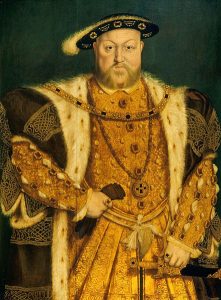
Like a lot of people, I first found out about St. Thomas More from the movies. I was no older than 10, and my dad was watching the 1966 classic, A Man for All Seasons on the TV. At first, goofing off was more interesting than the movie, but eventually the storyline grabbed my attention. St. Thomas was brave and smart yet funny; he was religious without getting pompous in his piety. At the end, little Episcopalian me was enraged at Henry VIII, the founder of the Church of England and subsequently the Anglican Communion: How could the originator of my church kill such a good man?
My admiration for St. Thomas only grew over time, and as an adult Catholic, he's one of my favorite saints ever. As his feast approaches, on June 22nd, here is a portrait of his life in my words and his own words.
A hero when the world was torn in two...
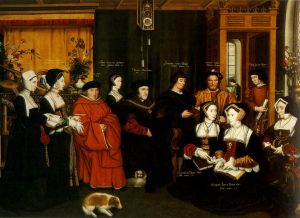
Family of St. Thomas More
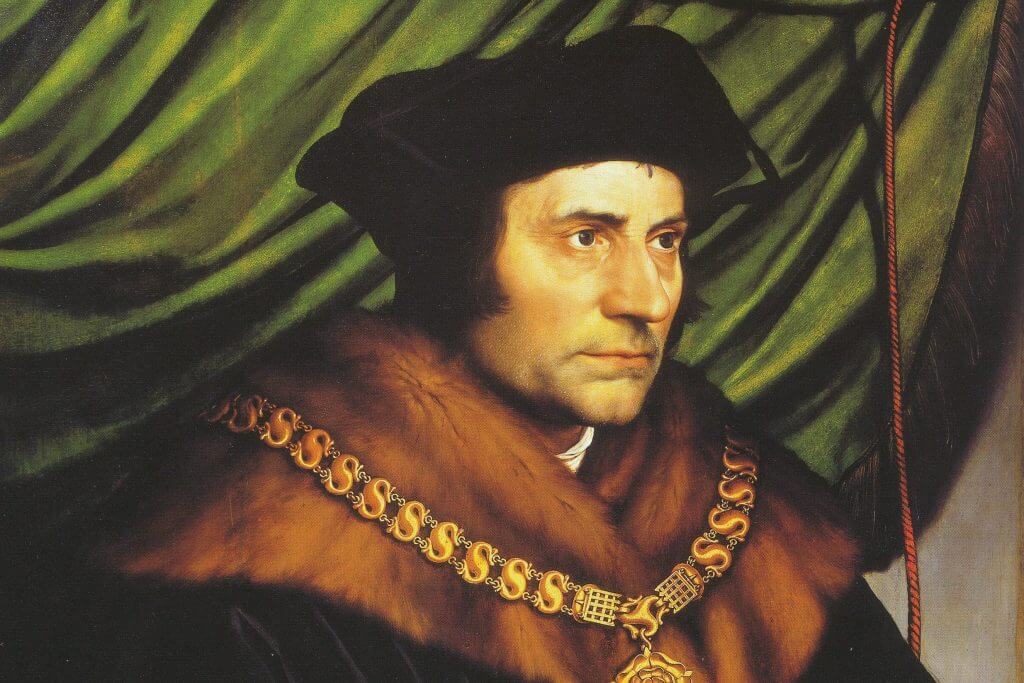
A friend of Erasmus and thorn in the side of Martin Luther, St. Thomas More held fast to the Faith when clerics and kings succumbed to the Protestant movement like moths in a campfire. He was a lawyer, and he was so valued by Henry VIII of England that Henry appointed More as Lord High Chancellor.
Although law was More's vocation, his avocation was theology. His deep love for the Church led him to take time to discern a religious life as a Carthusian. Although he realized that married life was his calling, he never stopped taking his spiritual life seriously.
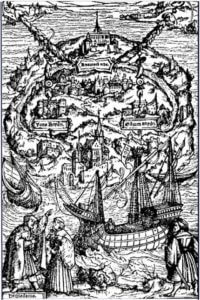
More would read and write late into the night, stopping only to pray the Liturgy of the Hours. His most famous work is Utopia, which continues to be translated and read around the world. However, his writings in defense of the Catholic Church during the Reformation helped Catholics throughout Europe to keep the Faith. He acknowledged the legitimate concerns that Protestants brought to light, while rebutting with vigor the heresies being taught about scripture and the Church Fathers.